
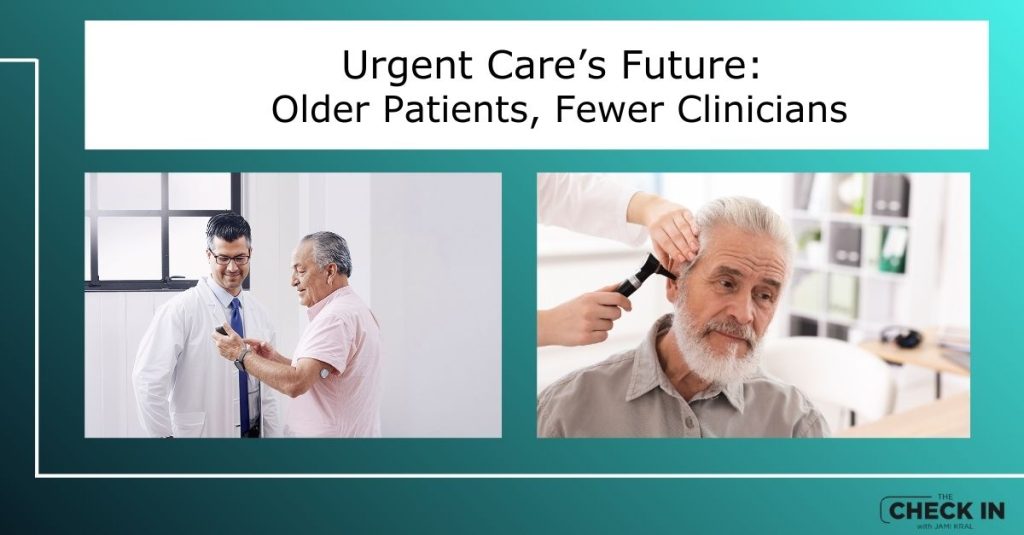
An aging U.S. population is reshaping Urgent Care operations. As demand from older patients rises and clinician shortages persist, Urgent Care providers face growing capacity constraints. Urgent Care operators need to prepare.

Guilty Until Proven Otherwise? The Rise of Automatic Downcoding by Payers.
Health insurers are increasingly using automatic downcoding to reduce payments based on the assumption that physicians are upcoding — often without reviewing the medical record. This shift places added financial and administrative strain on practices, particularly in high-acuity, high-volume settings like Urgent Care, and raises concerns about fairness, transparency, and the long-term impact on patient access to care.

Your EHR is a Recruiting Tool
Clinicians are increasingly evaluating employers not only on compensation and location but also on the digital tools that shape their day-to-day work. If your Urgent Care organization has open positions on the Urgent Care Compass platform, be sure and let job seekers know the commitment your organization has made to technology. It will certainly attract top talent!

September Healthcare Jobs Report: Ambulatory Care Leads the Growth
In the first BLS jobs report since the government shut down 42,800 healthcare jobs were added in the month of September. Ambulatory healthcare services growth saw the biggest increase!

APC Utilization Protects Access to Care
MGMA’s latest survey highlights nationwide growth in APC utilization—a trend that directly impacts Urgent Care. While the results aren’t specialty-specific, they underscore rising demand for APCs across healthcare. With workforce shortages persisting, increased reliance on APCs in other settings will intensify competition for Urgent Care recruitment.

From Hospitals to Urgent Care: How Employer Branding Shapes the Battle for Talent
At the HealthLeaders Workforce Decision Makers Exchange, healthcare leaders highlighted the growing importance of a strong workforce brand. Job seekers now research employers online, making employer branding, social media presence, and online reputation management vital for attracting top talent. Hospitals and Urgent Care centers can boost recruitment by showcasing culture and employee stories.

DNPs Barred From ‘Dr’ Title in California
Source Article – Nurses With Doctorates Cannot Tell Patients They’re Doctors, Court Rules In a September 29, 2025, decision, a federal court held...

NPs per 100,000 Residents: How States Compare
Using U.S. active state-licensed nurse practitioners counts by state and population data from the U.S. Census Bureau, Becker’s published a state ranking of the NPs per capita. The total number of NPs across the nation for the past 3 years; January 2023 – 278,577 | February 2024 – 284,717 | September 2025 – 463,456 (what a jump!)

Healthcare workers feel unappreciated – Is continuing education the answer?
Source Article – More than half of healthcare workers are considering taking new jobs next year: survey According to a...

FTC Drops Noncompete Ban: What It Means for Urgent Care Clinicians
Source Article – FTC drops appeals of noncompete ban On September 5, the FTC dropped the appeals on the noncompete...
- 1
- 2